


Discovering the Roots of Black History Month
Black History Month, celebrated every February in the United States and October in the UK, is a time to honour the rich tapestry of contributions made by African Americans and individuals of African descent. Its origins date back to 1926, when historian Carter G. Woodson announced the second week of February as “Negro History Week.” This week was chosen due to the birthdays of President Abraham Lincoln and abolitionist Frederick Douglass, two figures who played pivotal roles in African American history. Over the decades, this observance evolved into Black History Month, serving as a reminder to reflect on the past while inspiring future generations.
The expansion of Black History Month has encouraged educational institutions and communities to engage more deeply with the narratives that shape society. Schools, colleges, and museums often highlight the achievements of African Americans in science, politics, literature, and more during this month. It’s a unique opportunity for everyone to gain a deeper understanding of the struggles and triumphs that have shaped the modern world.
Every year, Black History Month comes with a theme, often reflecting contemporary social issues and encouraging discussion about ongoing challenges. Themes like ‘Black Health and Wellness’ or ‘African Americans and the Vote’ provide a structured approach to exploring historical contexts and current realities. In this environment, finding the right speaker to capture the spirit of these themes becomes crucial.

Why Dr. Makaziwe Mandela is the Perfect Speaker
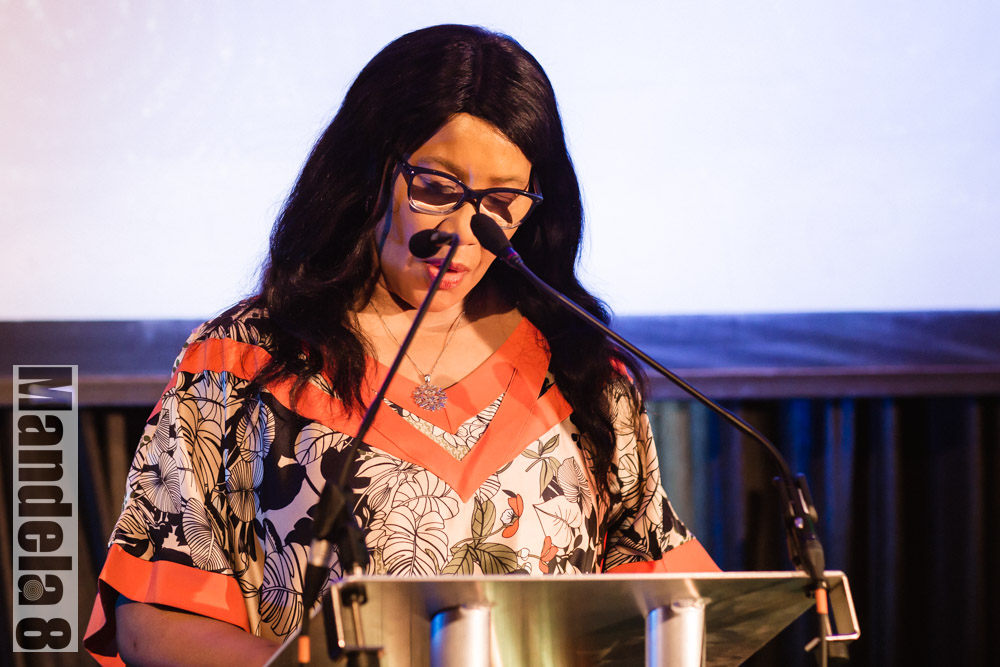
Dr. Makaziwe Mandela, daughter of the iconic Nelson Mandela, embodies the spirit of resilience and hope. Her life and work make her an ideal choice for a Black History Month speaker. Her insights into social justice, equality, and empowerment resonate deeply with the values celebrated during this observance.
Dr. Mandela’s background is steeped in history. She has not only witnessed the transformation of South Africa from an apartheid state to a democratic nation. Her experiences lend her a unique perspective on civil rights, making her an inspiring figure for audiences eager to learn from history. Her speeches often encompass themes of unity, healing, and progress, which are vital in today’s divided world.
In addition to her personal story, Dr. Mandela’s academic achievements and professional endeavors make her a compelling speaker. With a Ph.D. in anthropology, she combines scholarly insights with personal anecdotes, offering a rich tapestry of knowledge that educates and inspires in equal measure. Her involvement in initiatives that promote social justice and economic development further enhances her credentials as an impactful speaker.
The Impact of a Powerful Narrative
Dr. Mandela’s narrative is more than a personal account; it is a testament to the power of perseverance and the human spirit. When she speaks, she draws from a well of personal and historical experiences, weaving them into a narrative that captivates and educates. Her ability to connect past struggles with present challenges makes her speeches both timeless and timely.
Her storytelling prowess is not just about recounting events but about inspiring action. Her words encourage listeners to reflect on their own roles in shaping history and to consider how they can contribute to a better future. This is particularly powerful during Black History Month, a time when the focus is not just on learning history but on making history.
By sharing stories of her father, Nelson Mandela, alongside her own experiences, she offers a multifaceted view of leadership and sacrifice. Her insights into the dynamics of social change provide valuable lessons for both individuals and organizations striving for equity and justice.
Bridging History and Current Challenges
One of the most compelling aspects of Dr. Mandela’s talks is her ability to bridge the past and present. She discusses the historical context of civil rights movements and links them to contemporary struggles for equality and justice. This continuity highlights the ongoing nature of the fight for human rights and underscores the importance of continued vigilance and activism.
Dr. Mandela’s speeches often address the systemic issues that persist today, such as racial discrimination, economic inequality, and political disenfranchisement. By shedding light on these issues, she empowers audiences to engage with them critically and constructively. Her insights help frame a narrative that encourages change not only within communities but also within the structures of power.
Through her words, Dr. Mandela invites her audience to reflect on the progress made and the work still to be done. She emphasizes the importance of collective action and the role each individual plays in advancing social justice. Her message is both a call to remember the past and a rallying cry to build a better future.
Educational Institutions and Dr. Mandela’s Message
For educational institutions, hosting Dr. Mandela as a speaker during Black History Month offers a unique opportunity to engage students and faculty in meaningful dialogue. Her presence can elevate the educational experience, providing first-hand insights into historical events and their lasting impact.
Dr. Mandela’s lectures can serve as a catalyst for further study and discussion within academic settings. Her blend of personal narrative and scholarly insight provides rich material for classroom exploration. Students gain a deeper understanding of the complexities of social movements and the individuals who drive them.
Additionally, her presence can inspire students to explore careers in social justice, advocacy, and public service. Her story demonstrates the impact that one person can have in the world, encouraging young people to pursue their passions and contribute to positive change.
Engaging Event Planners for Memorable Celebrations
For event planners, Dr. Makaziwe Mandela offers a dynamic addition to any Black History Month celebration. Her ability to engage diverse audiences makes her an ideal choice for events ranging from intimate gatherings to large-scale conferences.
Dr. Mandela’s speeches are tailored to resonate with specific audiences, ensuring that her message aligns with the goals of each event. Whether speaking to a group of students, corporate leaders, or community activists, she delivers a speech that is both relevant and inspiring.
Her participation can elevate an event, drawing attendees who are eager to hear from someone with her unique perspective. Her presence not only enhances the event’s prestige but also its impact, leaving a lasting impression on all who attend.
Building a Sense of Community Among Enthusiasts
For Black history enthusiasts, Dr. Mandela’s speeches offer a chance to connect with others who share a passion for understanding and celebrating African heritage. Her talks foster a sense of community among attendees, encouraging dialogue and collaboration.
Dr. Mandela creates an environment where attendees feel empowered to share their own experiences and insights. This exchange of ideas enriches the overall experience, providing diverse perspectives on the themes discussed. Her presence acts as a unifying force, bringing people together in a shared commitment to justice and equality.
Through her words and insights, Dr. Mandela helps build a network of individuals who are dedicated to carrying forward the legacy of those who have fought for freedom and equality. Her influence extends beyond the stage, as attendees leave inspired to continue the conversation and advocate for change.
Tasting the Essence of Heritage
One unique aspect of Dr. Mandela’s engagements is her ability to incorporate cultural elements into her presentations. By highlighting the arts, music, and culinary traditions of Africa, she provides a sensory experience that deepens the appreciation of African culture.
This holistic approach enriches the audience’s understanding of black history, connecting them with the vibrant traditions that have shaped the African diaspora. It also fosters an appreciation for the creative contributions that continue to influence global culture.
These elements not only enhance the educational value of her talks but also create memorable experiences that resonate long after the event concludes. Attendees are left with a greater appreciation for the richness of African culture and its enduring impact on the world.
Inspiring the Next Generation
Dr. Mandela’s influence is particularly profound on young people, who are inspired by her story to pursue their dreams and make a difference. Her message of resilience and determination resonates deeply with aspiring leaders and change-makers.
Her talks include a call to action, encouraging young audiences to engage with their communities and advocate for social justice. She provides practical advice on how to get involved and make a tangible impact, offering guidance and support to those who are eager to contribute to positive change.
By inspiring the next generation, Dr. Mandela ensures that the legacy of the civil rights movement continues to shape future leaders. Her influence extends beyond her words, as young people take up the mantle of activism and advocacy in their own lives.
A Global Perspective on Local Issues
Dr. Mandela who studied in the USA, lived in Kenya and travelled extensively provides a global perspective on local issues, offering valuable insights into how different cultures approach similar challenges. Her experiences in South Africa, combined with her travels and engagements worldwide, allow her to draw parallels and distinctions that enrich her talks.
This global perspective encourages audiences to think beyond their immediate environment and consider the broader implications of social justice work. It fosters a sense of solidarity with those fighting for equality around the world and highlights the interconnectedness of global struggles.
By connecting local issues to global contexts, Dr. Mandela’s talks inspire audiences to think creatively about solutions and to collaborate with others across borders. Her message reinforces the idea that social change is a collective effort that transcends geographical boundaries.
Conclusion
Welcoming Dr. Makaziwe Mandela as a Black History Month speaker offers a unique opportunity to celebrate heritage, inspire change, and foster community. Her powerful narrative, combined with her rich cultural insights, provides a memorable experience that resonates with diverse audiences.
By engaging with Dr. Mandela’s message, individuals and organizations can gain a deeper understanding of the past while being inspired to shape the future. Her presence serves as a reminder of the resilience and strength that define the African diaspora, encouraging all who hear her to carry forward this legacy with pride and purpose.
For those looking to enhance their Black History Month celebrations, Dr. Mandela’s participation promises to leave a lasting impact, sparking dialogue and inspiring action. With her guidance and wisdom, the pursuit of social justice and equality is enriched, offering hope and direction for generations to come.


